
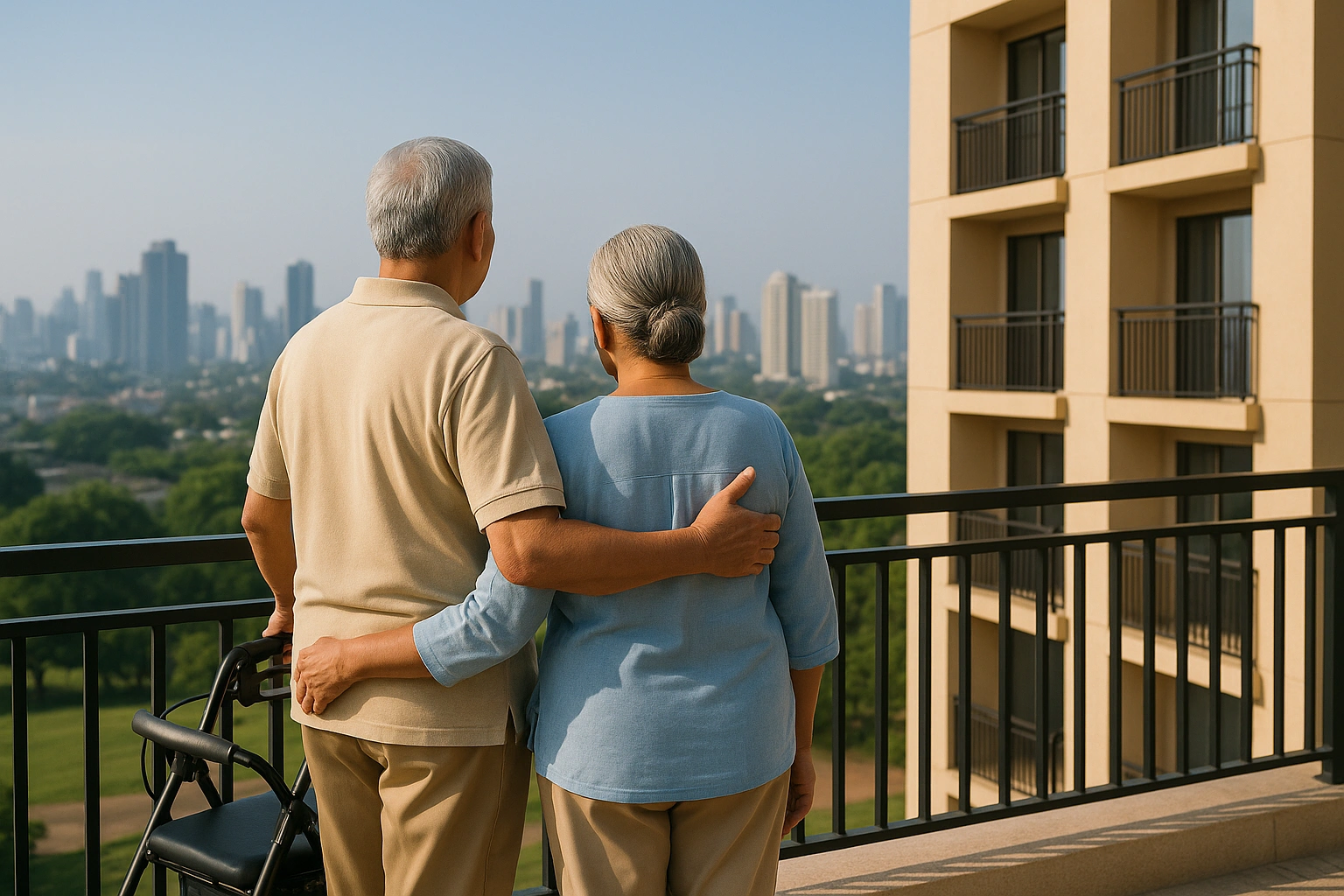
As India’s senior population continues to grow, the demand for senior citizen-friendly homes is rising steadily. Whether you are buying a new property, renovating an existing house, or investing in real estate for long-term family use, choosing a safe, accessible, and comfortable home for elderly parents is essential. A well-designed senior-friendly home not only enhances daily convenience but also supports independence, dignity, and overall well-being.
One of the most important features to look for in a senior-friendly home design is a step-free and barrier-free layout. Homes with minimal level differences, ramps instead of stairs, and wide doorways make movement easier for elderly residents, especially those using walkers or wheelchairs. Open floor plans reduce the risk of tripping and provide better mobility, making them ideal for aging-in-place homes.
Non-slip flooring is another critical element in homes for senior citizens. Anti-skid tiles, matte-finish flooring, or textured surfaces significantly reduce the risk of slips and falls, which are among the most common causes of injury for older adults. Avoiding glossy marble or highly polished tiles is advisable when planning a safe home for elderly people.
Bathrooms should be thoughtfully designed with elderly-friendly bathroom features such as grab bars near toilets and showers, walk-in showers, anti-skid mats, and raised toilet seats. A well-planned bathroom improves safety and ensures seniors can maintain independence without constant assistance. Proper drainage and adequate lighting further enhance safety in wet areas.
Good lighting and ventilation play a major role in senior-friendly housing. Homes with ample natural light reduce eye strain and improve mental well-being, while proper ventilation supports respiratory health. Bright, evenly distributed lighting in hallways, staircases, kitchens, and bathrooms helps prevent accidents, especially during nighttime movement.
Another key aspect of homes suitable for senior citizens is having a bedroom and bathroom on the ground floor. Climbing stairs daily can be challenging for elderly residents, so ground-level living spaces provide comfort and long-term usability. This feature is particularly important for multi-storey independent houses or villas.
Safety and security should never be compromised when selecting a senior citizen-friendly property. Gated communities, 24/7 security, CCTV surveillance, video door phones, and emergency response systems offer peace of mind for both seniors and their families. Easy access to neighbors or on-site assistance adds an extra layer of emotional and physical security.
Kitchens designed for seniors should include lower countertop heights, easy-to-reach cabinets, slip-resistant flooring, and user-friendly appliances. These elderly-friendly kitchen features help seniors cook safely without excessive bending or stretching, reducing strain on joints and muscles.
Finally, location plays a crucial role in choosing the right home for senior citizens in India. Proximity to hospitals, clinics, pharmacies, parks, temples, and daily-need stores ensures convenience and quick access to essential services. Good road connectivity and availability of public transport further enhance the practicality of the location.
In conclusion, investing in a senior citizen-friendly home is not just about comfort—it’s about safety, independence, and quality of life. By focusing on accessibility, safety features, thoughtful layouts, and a supportive neighborhood, you can ensure a future-ready home that meets the evolving needs of elderly family members while also adding long-term value to your property.